
Benefits of Yoga for Children
- dlambell4
- Dec 1, 2025
- 3 min read
Updated: Dec 18, 2025
Children's yoga offers a unique opportunity to teach young people life-long skills such as taking slow, deep breaths to help feel calm and more focused. This practice not only promotes physical health but also nurtures emotional well-being and fosters a deeper connection with themselves and the natural world.
Understanding Children's Yoga
Children's yoga is a form of yoga specifically designed for children, incorporating playful elements that engage their imagination and energy. Unlike traditional yoga, which can be more structured, children's yoga is infused with short games, stories, and creative visualisations. In children's yoga rather than focusing on pranayama (the control of breath/life force), we call it breath play and this is where we do not ask children to hold their breath but can begin to consciously focus on their breath through playful games.
Key Elements of Children's Yoga
Playfulness: Incorporating games and fun activities keeps children engaged.
Imagination: Using stories and themes allows children to explore their creativity.
Movement: Simple poses and stretches help develop physical strength and flexibility.
Mindfulness: Breath play and visualisations as well as relaxation techniques help to promote emotional regulation.
Physical Benefits of Children's Yoga
Engaging in yoga can significantly enhance children's physical health. Here are some of the key physical benefits:
Improved Flexibility and Strength
Yoga poses help children develop flexibility and strength. For instance, poses like the Downward Dog and Warrior not only lengthen and stretch muscles but also build core strength. This physical development is crucial as children grow and engage in various physical activities.
Better Posture
With the rise of screen time, many children struggle with poor posture. Yoga encourages awareness of body alignment, through playful cues such as 'heads, shoulders, knees and toes' as a playful way of supporting them with their proprioception (where their own body is in space). This awareness can lead to long-term benefits, reducing the risk of back pain and discomfort.
Enhanced Coordination and Balance
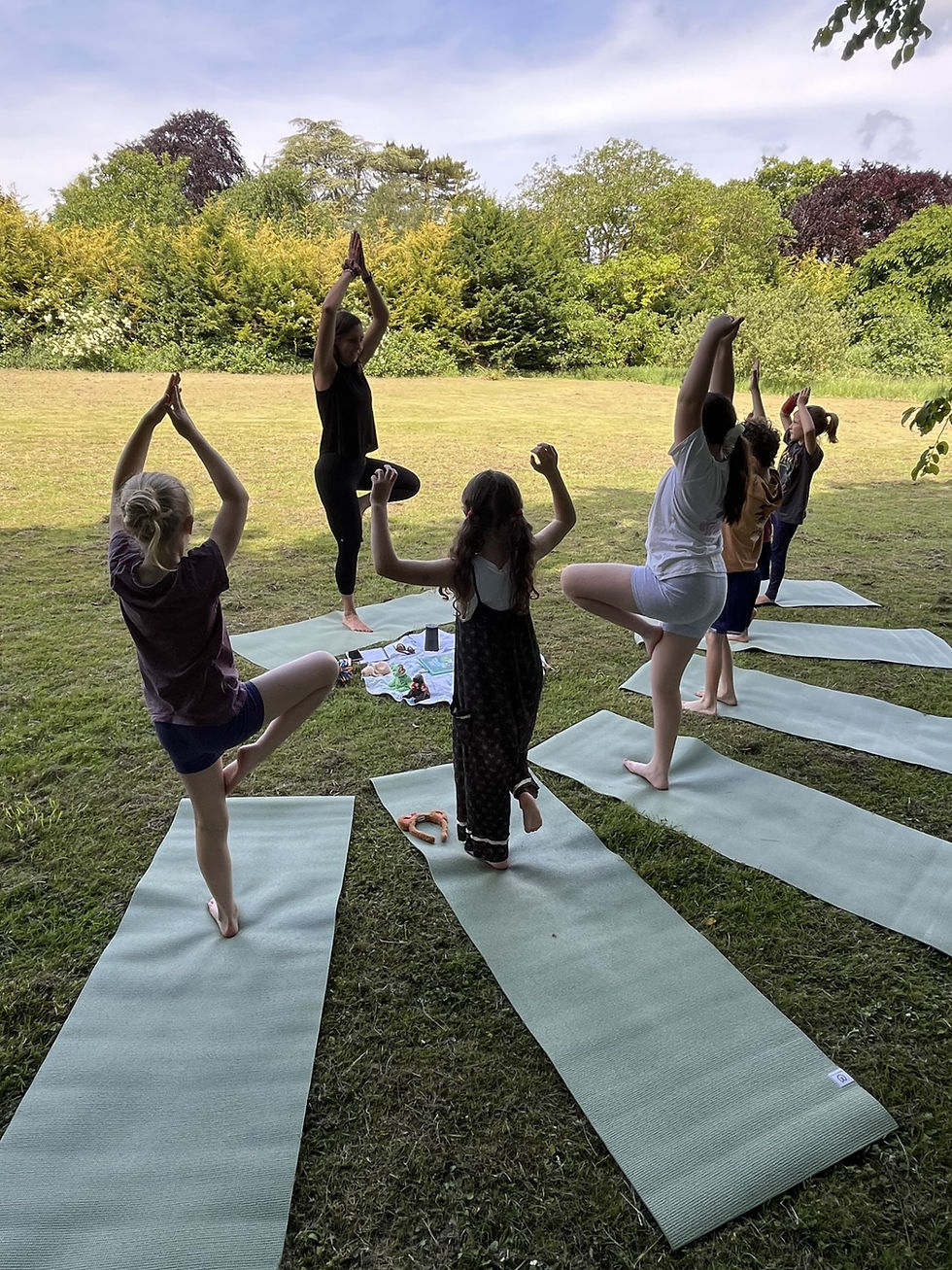
Yoga poses often require balance and coordination, which can improve children's overall motor skills. Activities like balancing on one leg or transitioning between poses help develop these essential skills.
Emotional and Mental Benefits of Children's Yoga
Beyond physical advantages, children's yoga offers numerous emotional and mental benefits that are vital for their overall development.
Stress Relief
Children today face various stressors, from academic pressures to social challenges. Yoga provides a safe space for them to unwind and relax. Techniques such as deep breathing and mindfulness help to support children to manage stress.
Increased Focus and Concentration
Yoga encourages mindfulness, which can enhance children's ability to focus. By practicing being present in the moment, children can improve their concentration in school and other activities. This skill is particularly beneficial in a world filled with distractions.
Boosted Self-Esteem
As children learn new poses and techniques, they gain a sense of accomplishment. This feeling of achievement can significantly boost their self-esteem and confidence. Additionally, yoga promotes self-acceptance, teaching children to appreciate their bodies and abilities. Rewilding yoga classes are non-competitive with lots of encouragement to focus inwards and not worry about what the person on the mat next to them is doing.
Connecting with Nature Through Yoga
Outdoor Yoga Practices
Practicing yoga outdoors allows children to immerse themselves in nature. Whether it's a park, garden, or school playing field, the natural environment enhances the yoga experience. The sights, sounds, and smells of nature can deepen their mindfulness practice.
Nature-Inspired Themes
Incorporating nature themes into yoga classes can further enhance this connection and this is something integral to Rewilding yoga sessions. For example, using seasonal links (e.g. standing in tree pose when the autumn leaves are falling) helps children relate to the natural world. Storytelling can also be used to create a narrative around nature, making the practice more engaging.
Environmental Awareness
Through yoga, children can learn about the importance of caring for the environment. Discussions about nature, conservation, and sustainability can be integrated into yoga sessions, fostering a sense of responsibility toward the planet.
Conclusion
Children's yoga is a powerful tool for promoting physical health, emotional well-being, and a deeper connection with nature. By introducing yoga to children, we can help them develop essential life skills, foster mindfulness, and cultivate a love for the environment. As parents and educators, let us embrace this practice and support our children in their journey toward holistic development.
If you would like to come and try one of the Family yoga sessions to see for yourself, you can check the upcoming dates and find more information on the booking page.


Comments